How to get sales on shopify without ads?

Hey everyone :waving_hand:

I’ve been thinking a lot about getting Shopify sales without relying on paid ads, and I’m genuinely curious about how people are doing this in real life.

For those of you running a Shopify store, have you managed to generate consistent sales organically? If yes, what were the channels or strategies that actually worked for you?

I see a lot of advice online about things like SEO, TikTok/Instagram content, email marketing, affiliates, communities, or influencer collaborations, but it’s hard to tell what truly moves the needle versus what just sounds good in theory.

A few things I’m especially curious about:

  • Did you focus on SEO or content marketing to drive traffic?
  • Have social media or short-form videos brought real sales?
  • Do email lists or popups actually convert for you in the long run?
  • Are influencers or affiliates worth it if you’re not paying upfront?

If you’ve successfully built sales without ads, I’d really love to hear what worked, what didn’t, and what you’d do differently if you started again.

Hey, @amari-fioravanti I’ve actually spent a fair amount of time looking into this with Shopify stores, and yes, getting sales without ads is possible. It’s slower at first. But once it starts working, it’s far more stable.

Paid ads bring traffic quickly. Organic channels build momentum.

The stores I’ve seen succeed without ads usually rely on three things working together: search traffic, content that spreads on social platforms, and email capture.

None of them work alone.

Traffic usually starts with search

Many Shopify stores wait for their product pages to rank in Google. That rarely happens early on. A product page without authority usually sits deep in search results.

What works better is publishing content that answers questions buyers already type into Google.

Examples:

  • “Best desk lamps for small apartments”
  • “How to store coffee beans properly”
  • “Cold plunge benefits for beginners”

Those pages bring visitors who are already interested in the product category.

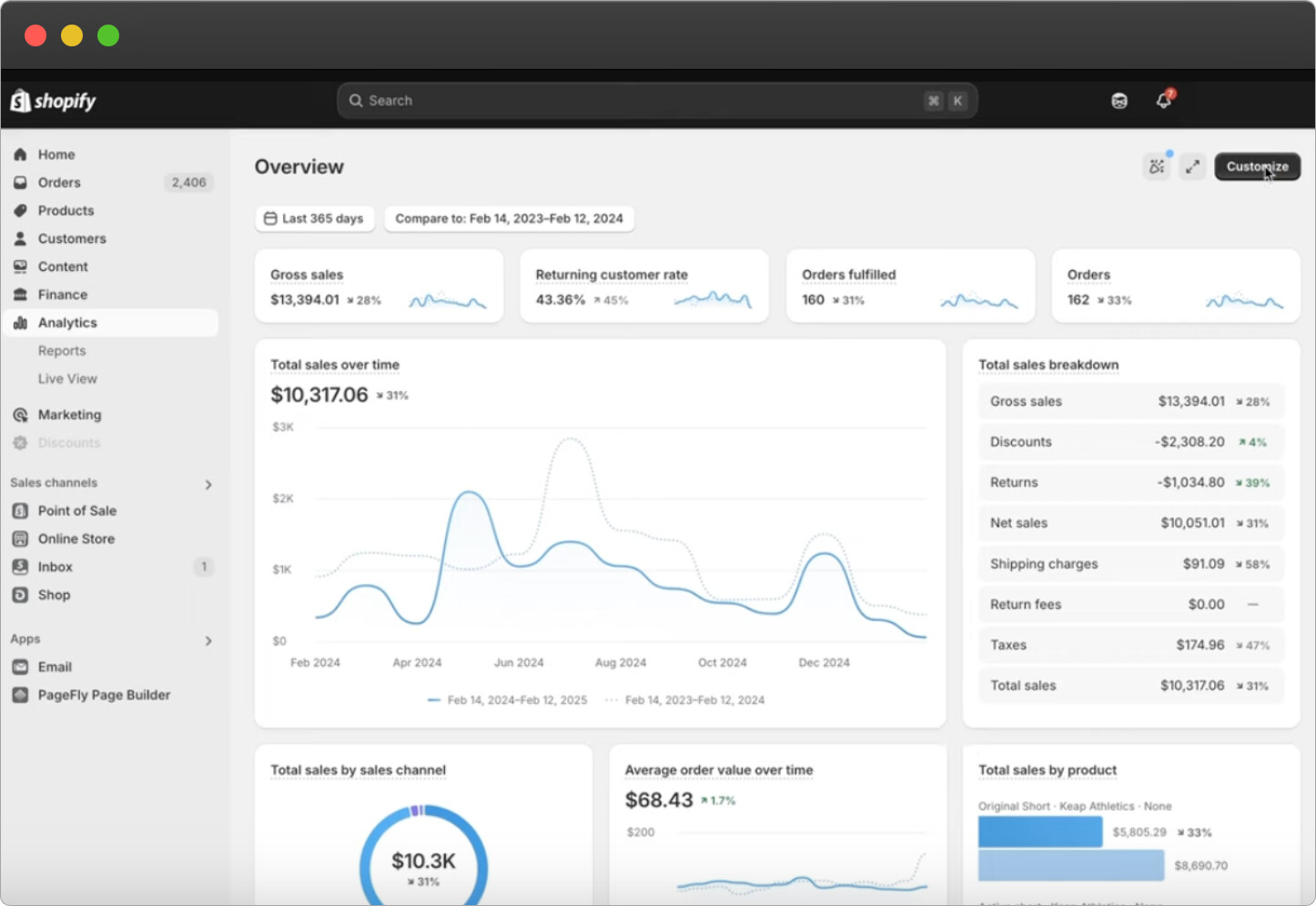
Once traffic appears, Shopify’s analytics makes it easy to see where people come from.

Most store owners are surprised the first time they open this report and see organic search traffic slowly rising week by week.

It doesn’t happen overnight. But once a few pages start ranking, those visitors arrive every day without spending money on ads.

Social videos can bring real customers

Short videos drive a surprising amount of traffic.

A simple product demo often performs better than a polished commercial. People want to see the product used in real life.

A few formats that work well:

• quick product demonstrations
• showing a problem and then the fix
• unboxing videos
• customer reactions

When someone clicks from a video, they land on a Shopify product page.

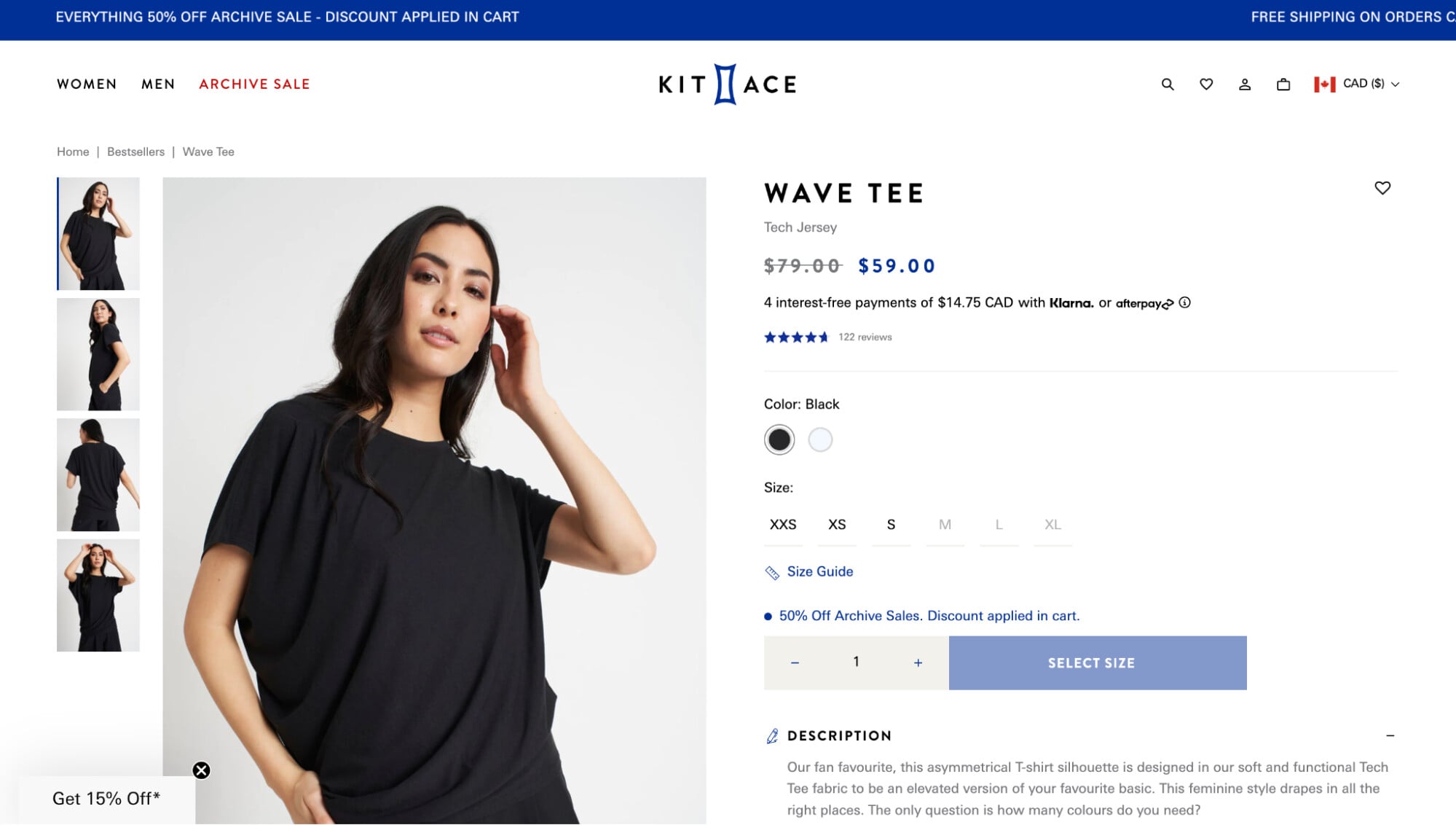
At that point the product page does most of the work. Clear photos. Short descriptions. Reviews visible above the fold.

If the page is confusing, social traffic disappears quickly.

Email still converts better than most channels

This part surprises a lot of founders.

Many visitors don’t buy on their first visit. They leave. Some come back days later.

Capturing an email before they leave changes that.

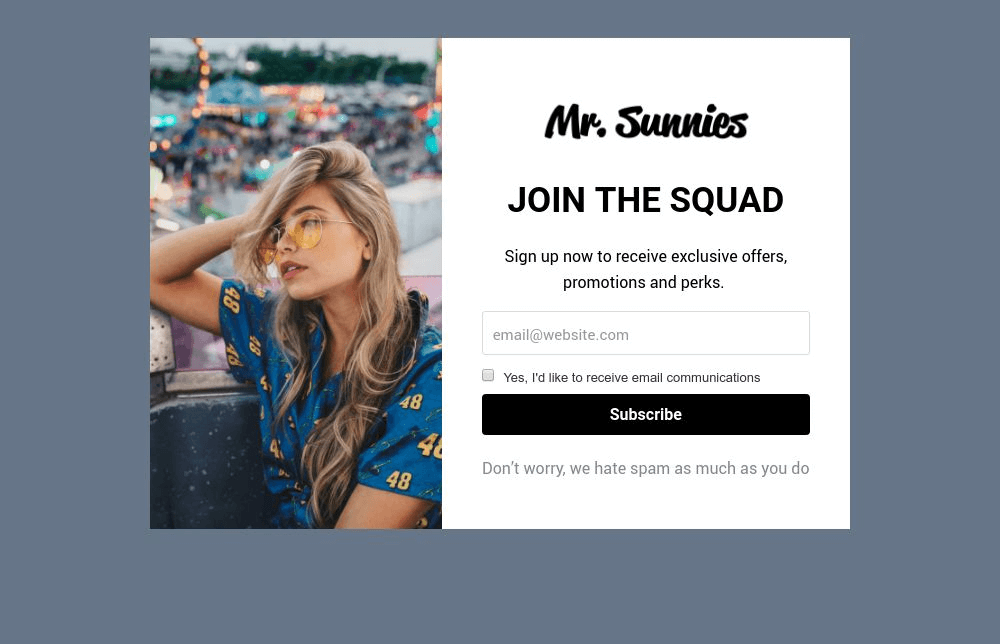
A simple popup offering a discount or early access usually converts a small percentage of visitors. That’s enough to build a list over time.

Once someone joins the list, automated emails do most of the work:

welcome email
abandoned cart reminder
restock notifications
new product announcements

These emails generate sales weeks after the original visit.

One small change that helps a lot

Many Shopify stores lose visitors right before they leave the site.

An exit popup can catch some of those people.

Even if only a small portion subscribe, those visitors become part of the email list. Some will buy later.

Over time those small conversions add up.

Focus on these

If I launched a Shopify store without ads, I’d start with three priorities:

  1. Publish helpful content targeting product-related search queries
  2. Post short product videos regularly on social platforms
  3. Capture emails from visitors early

Traffic arrives slowly at first. Then it compounds. One blog article ranks. One video spreads. A few visitors join the email list each day. After a few months those pieces start working together. Sales follow the traffic without depending on ads.

I hope you find my answer helpful. Let’s discuss any other questions you may have.

Thanks for sharing this, @RockTheScale4 really helpful to hear how you approached it.

I’m curious about a couple things if you’re open to it.

How long did it take before that channel actually started bringing steady sales? I’m always interested in the timeline because some things work quickly, others take months before you see real traction.

Also wondering what you did once people landed on your store. Did you collect emails, use popups, or do anything else to turn that traffic into buyers?

And looking at it today, is that still your main source of sales, or did another channel end up performing better over time?

Really appreciate you sharing the details. These kinds of real examples are way more useful than the usual generic advice.

Really appreciate the questions, happy to share a bit more.

For us it definitely wasn’t instant. The first couple months were honestly pretty quiet. We had some traffic coming in, but sales were all over the place. Around month three things started to feel different, orders became more regular and we finally felt like something was working.

A big change came when we stopped thinking only about traffic and started fixing what happened after people landed on the store. In the beginning visitors would browse for a bit and then disappear. Later we added a simple email capture popup with a small welcome discount. We set it up with Popupsmart because it was quick and didn’t require touching any code. That alone helped us start collecting emails and bringing some people back who didn’t buy the first time.

We also added a short abandoned cart email flow. I remember being genuinely surprised when the first few recovered orders came in.

Today that original channel still drives a good portion of our sales, but it’s not the only one anymore. Social content started gaining traction later and now it sends a steady stream of visitors too.

If I could go back and start again, I’d focus on capturing emails much earlier. A lot of early visitors came and left, and at the time we had no way to reach them again. That part still hurts a little when I think about it :sweat_smile:

Thanks for sharing this, really appreciate you taking the time.

The point about fixing what happens after people land on the store makes a lot of sense. I think many of us focus too much on traffic and forget the conversion side.

Also helpful to hear the real timeline. Month three sounds a lot more realistic than the “instant results” people talk about online.

Thanks again for the insight :folded_hands: